PDT (Photodynamic Therapy) for Acne
in Seoul, Korea | Myeongdong Obliv Seoul Origin
Myeongdong Obliv Seoul Origin offers personalized PDT (Photodynamic Therapy) for active acne and oily skin.
Depending on your skin condition, PDT may be combined with acne extraction, chemical peels, laser treatments,
and medical skincare to help reduce breakouts and improve overall skin health.
PDT (Photodynamic Therapy) for Acne in Seoul, Korea
PDT (Photodynamic Therapy) is an advanced dermatology treatment designed to reduce active acne by targeting acne-causing bacteria, decreasing sebaceous gland activity, and helping control excess oil production. It is commonly recommended for patients with moderate to severe inflammatory acne that has not responded well to conventional skincare.
At Myeongdong Obliv Seoul Origin, every patient receives a comprehensive skin assessment before treatment. Our medical team evaluates your acne severity, skin type, oil production, previous treatments, and treatment goals to create a personalized acne management plan.
The goal is to reduce active breakouts, minimize future acne flare-ups, and improve overall skin quality while preserving healthy skin.
What Is PDT (Photodynamic Therapy)?
Photodynamic Therapy combines a light-sensitive photosensitizing solution with a specific light source.
The treatment process typically involves:
- Application of a photosensitizing solution
- Absorption period
- Exposure to a specialized light source
- Activation of the photosensitizer
- Targeting acne-causing bacteria and overactive sebaceous glands
PDT may help improve:
- Moderate acne
- Severe acne
- Inflammatory acne
- Oily skin
- Excess sebum production
- Frequent acne breakouts
Treatment is performed under the supervision of a dermatologist.
Who Is a Good Candidate?
PDT may be suitable for patients with:
- Moderate inflammatory acne
- Severe acne
- Oily skin
- Frequent breakouts
- Acne resistant to topical treatments
- Acne resistant to oral medications
- Patients seeking non-surgical acne treatment
Patients whose primary concern is acne scarring may require additional treatments after active acne has been controlled.
A consultation helps determine whether PDT is appropriate for your skin.
Personalized PDT Treatment at Myeongdong Obliv Seoul Origin
Every treatment plan is customized according to:
- Acne severity
- Skin type
- Oil production
- Skin sensitivity
- Previous acne treatments
- Lifestyle
- Recovery preferences
- Overall skin condition
Treatment may include:
- PDT
- Acne extraction
- Chemical peels
- LED therapy
- Laser treatments
- Medical skincare
- Acne medication
- Skin boosters (after acne control)
- Combination therapy
Treatment recommendations are individualized to achieve the best possible outcome.
How PDT Improves Acne
PDT works by reducing several of the factors involved in acne development.
Potential benefits include:
- Reduction of acne-causing bacteria
- Decreased oil production
- Fewer inflammatory acne lesions
- Reduced frequency of breakouts
- Improved skin clarity
- Better long-term acne control
- Healthier skin appearance
Results usually develop gradually over several weeks following treatment.
Why Combination Therapy Is Often Recommended
PDT effectively treats active acne but does not directly improve established acne scars.
Depending on your skin condition, treatment may be combined with:
- Acne extraction
- Chemical peels
- LED therapy
- Laser treatments
- Medical skincare
- Prescription acne medications
- Skin boosters after acne improves
- RF microneedling for residual acne scars
- Fractional laser resurfacing after acne control
Once active acne is controlled, additional treatments may be recommended to address acne scars and improve skin texture.
What to Expect During Treatment
Treatment begins with a detailed skin evaluation.
During treatment:
- The skin is cleansed.
- A photosensitizing solution is applied.
- The solution is allowed to absorb for a designated period.
- The treatment area is exposed to a specialized light source.
- Aftercare instructions are provided.
Treatment time varies depending on the protocol used.
Recovery After PDT
Recovery varies among individuals.
Patients may experience:
- Temporary redness
- Mild swelling
- Skin sensitivity
- Temporary peeling
- Increased sensitivity to sunlight for a short period
Your dermatologist will provide detailed aftercare instructions, including sun protection recommendations.
Is PDT Painful?
Most patients tolerate PDT well.
Patients may experience:
- Mild warmth
- Tingling
- Temporary stinging
- Mild discomfort during light exposure
Myeongdong Obliv Seoul Origin carefully adjusts treatment settings to maximize comfort while maintaining treatment effectiveness.
How Many PDT Treatments Are Needed?
The number of treatments depends on:
- Acne severity
- Oil production
- Individual response
- Treatment goals
Some patients notice improvement after a single treatment, while others benefit from a series of sessions based on their dermatologist's recommendation.
PDT for International Patients
International patients visiting Seoul can receive personalized consultations and treatment plans based on the duration of their stay.
Treatment may include:
- PDT
- Acne extraction
- Chemical peels
- LED therapy
- Medical skincare
- Acne medications
- Long-term acne management recommendations
Treatment schedules are customized to fit travel plans while allowing appropriate recovery.
Why Choose Myeongdong Obliv Seoul Origin?
Patients choose Myeongdong Obliv Seoul Origin for PDT because of its personalized approach to acne treatment.
Potential benefits include:
- Comprehensive acne assessment
- Customized treatment plans
- Advanced dermatology technologies
- Combination acne therapies
- Medical skincare support
- International patient services
- Comfortable treatment experience
- Convenient access from Myeongdong and Jongno
Clinic Location
Myeongdong Obliv Seoul Origin
Address:
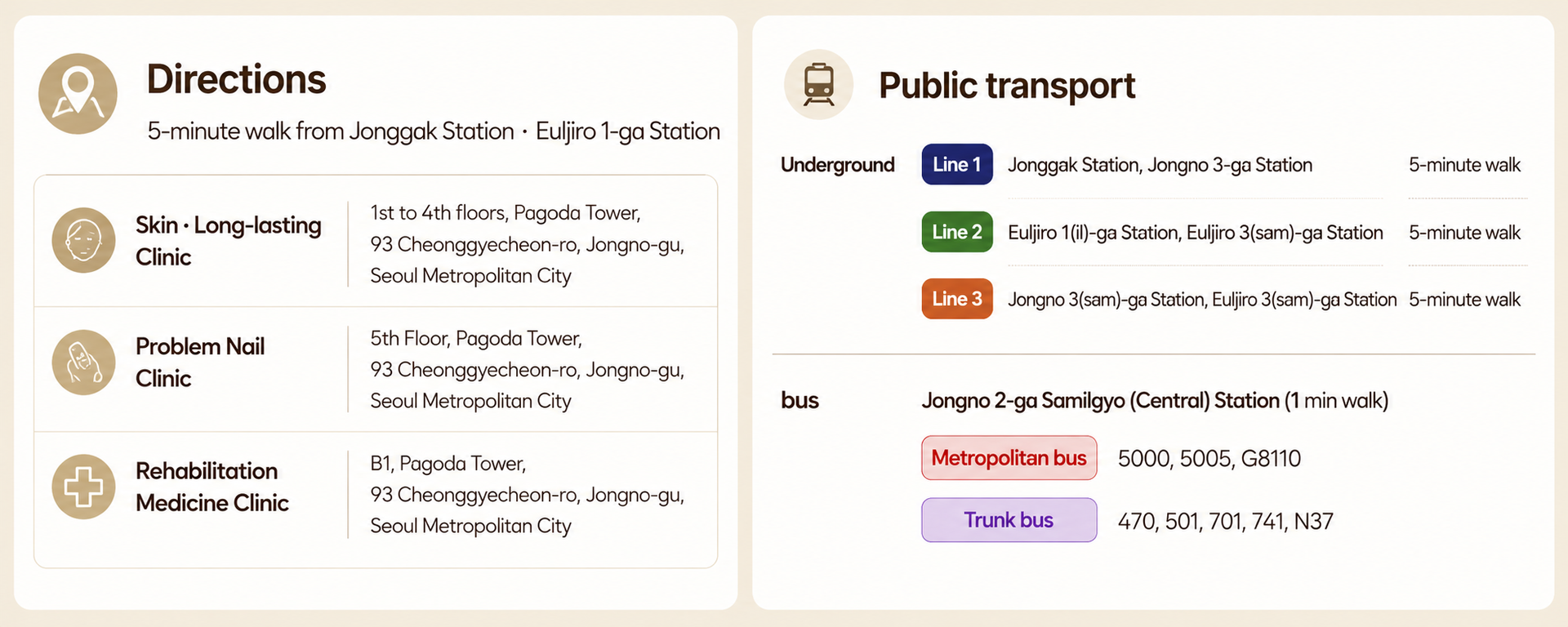
B1 to 5th Floor, Pagoda Tower
93 Cheonggyecheon-ro, Jongno-gu
Seoul, Korea
The clinic is conveniently located in central Seoul with easy access from Myeongdong, Jongno, and the Cheonggyecheon area.
Frequently Asked Questions
What is PDT (Photodynamic Therapy)?
PDT is a dermatologist-directed treatment that combines a photosensitizing solution with a specialized light source to reduce acne-causing bacteria, decrease oil production, and improve inflammatory acne.
Does PDT help acne?
Yes. PDT is commonly used to treat moderate to severe inflammatory acne by targeting multiple factors involved in acne development, including excess sebum production and acne-causing bacteria.
Is PDT good for acne scars?
PDT primarily treats active acne rather than established acne scars. Once acne is under control, your dermatologist may recommend treatments such as RF microneedling, fractional laser resurfacing, subcision, or TCA CROSS to improve acne scars.
How many PDT treatments will I need?
The number of sessions depends on your acne severity and individual response. Some patients improve after one treatment, while others benefit from multiple sessions.
Can PDT be combined with other acne treatments?
Yes. PDT is commonly combined with acne extraction, chemical peels, LED therapy, laser treatments, medical skincare, prescription acne medications, and later-stage acne scar treatments for comprehensive acne management.
Is there downtime after PDT?
Some downtime is expected. Temporary redness, swelling, peeling, and increased sensitivity to sunlight may occur, making careful sun protection important during recovery.
Can international visitors receive PDT treatments?
Yes. International patients can receive personalized consultations and customized treatment plans that fit their travel schedule and expected recovery period.
Where is Myeongdong Obliv Seoul Origin located?
Myeongdong Obliv Seoul Origin is located from B1 to the 5th Floor of Pagoda Tower, 93 Cheonggyecheon-ro, Jongno-gu, Seoul, Korea.