Atrophic Acne Scar Treatment in Seoul, Korea |
Myeongdong Obliv Seoul Origin
Myeongdong Obliv Seoul Origin provides personalized treatment for atrophic acne scars using advanced combination therapies. Depending on the type and severity of the scars, treatment may include fractional laser resurfacing, RF microneedling, subcision, collagen-stimulating treatments, skin boosters, and medical skincare to improve smoother, healthier-looking skin.
Atrophic Acne Scar Treatment in Seoul, Korea
Atrophic acne scars are the most common type of acne scars. They develop when inflammation destroys collagen beneath the skin, leaving permanent depressions or indentations after acne heals.
At Myeongdong Obliv Seoul Origin, every patient receives a detailed skin evaluation to determine the type of atrophic scars, collagen loss, skin quality, and treatment goals before creating a personalized treatment plan.
The goal is to stimulate collagen remodeling, improve depressed scars, smooth uneven skin texture, and restore healthier-looking skin over time.
What Are Atrophic Acne Scars?
Atrophic acne scars are depressed scars caused by a loss of collagen during the healing process after inflammatory acne.
Unlike hypertrophic scars, which are raised, atrophic scars sit below the surrounding skin surface.
The three main types of atrophic acne scars are:
- Ice-pick scars
- Boxcar scars
- Rolling scars
Many patients have a combination of these scar types, making individualized treatment especially important.
What Causes Atrophic Acne Scars?
Atrophic scars develop when severe inflammation damages the skin's collagen and supporting tissue.
Common contributing factors include:
- Cystic acne
- Nodular acne
- Severe inflammatory acne
- Delayed acne treatment
- Picking or squeezing acne
- Genetics
- Repeated acne flare-ups
Early treatment of active acne may reduce the risk of permanent collagen loss.
Personalized Atrophic Scar Treatment at Myeongdong Obliv Seoul Origin
Treatment is selected according to:
- Scar type
- Scar depth
- Number of scars
- Skin type
- Skin thickness
- Existing pigmentation
- Previous treatments
- Downtime preferences
Treatment may include:
- Fractional laser resurfacing
- RF microneedling
- Subcision
- Collagen-stimulating treatments
- Skin boosters
- Medical-grade skincare
- Chemical peeling
- Pigmentation treatment
- Redness treatment
- Combination therapy
Because many patients have mixed acne scars, combination treatment often provides the best overall improvement.
Fractional Laser Resurfacing
Fractional laser resurfacing stimulates collagen remodeling through controlled microscopic treatment zones.
Potential benefits include:
- Improving depressed acne scars
- Smoothing uneven skin texture
- Softening scar edges
- Reducing enlarged pores
- Stimulating new collagen production
Treatment settings are customized according to scar severity and skin type.
RF Microneedling for Atrophic Scars
RF microneedling delivers radiofrequency energy beneath the skin through fine insulated needles.
It may help improve:
- Rolling scars
- Boxcar scars
- Mild ice-pick scars
- Enlarged pores
- Overall skin texture
RF microneedling is commonly combined with laser treatment or subcision for greater collagen stimulation.
Subcision for Tethered Scars
Some atrophic scars, particularly rolling scars, develop because fibrous scar bands pull the skin downward.
Subcision may help:
- Release tethered scar tissue
- Lift depressed scars
- Stimulate collagen production
- Improve skin smoothness
- Enhance the results of laser and RF treatments
Suitability for subcision is determined during the consultation.
Skin Boosters and Collagen-Stimulating Treatments
Collagen remodeling plays an important role in improving atrophic acne scars.
Depending on the patient's skin condition, treatment may include therapies designed to:
- Stimulate collagen production
- Improve skin elasticity
- Enhance skin hydration
- Improve skin thickness
- Support long-term scar remodeling
These treatments are frequently combined with laser resurfacing and RF microneedling.
Treating Acne Marks and Pigmentation
Many patients with atrophic scars also experience lingering pigmentation and redness after acne has healed.
Treatment may improve:
- Brown acne marks
- Red acne marks
- Uneven skin tone
- Enlarged pores
- Rough skin texture
- Dull skin
Pigmentation management is often included in a comprehensive acne scar treatment plan.
Can Atrophic Acne Scars Be Completely Removed?
Because atrophic scars involve permanent collagen loss, complete removal is usually not possible.
However, modern acne scar treatment may significantly improve:
- Scar depth
- Skin texture
- Skin smoothness
- Enlarged pores
- Overall skin quality
Most patients achieve gradual improvement through multiple treatment sessions as collagen remodeling continues.
Is Atrophic Scar Treatment Painful?
Most procedures involve only mild to moderate discomfort.
Patients may experience:
- Mild warmth during laser treatment
- Temporary redness
- Mild swelling
- Brief discomfort during RF microneedling or subcision
- Temporary skin sensitivity
Myeongdong Obliv Seoul Origin adjusts treatment intensity according to each patient's skin condition and comfort level. Every effort is made to maximize comfort, although some temporary discomfort may occur depending on the procedures performed.
How Many Treatments Are Needed?
Treatment varies according to:
- Scar type
- Scar depth
- Number of scars
- Skin quality
- Collagen response
- Previous treatments
- Recovery preferences
Most patients require multiple sessions because collagen remodeling develops gradually over several months.
Atrophic Acne Scar Treatment for International Patients
International patients visiting Seoul can receive personalized consultations and treatment plans based on the duration of their stay.
Depending on the patient's needs, treatment may include:
- Fractional laser resurfacing
- RF microneedling
- Subcision
- Skin boosters
- Collagen-stimulating treatments
- Medical skincare
- Long-term home-care recommendations
Combination therapy is often recommended to achieve the greatest overall improvement.
Why Choose Myeongdong Obliv Seoul Origin?
Patients choose Myeongdong Obliv Seoul Origin for atrophic acne scar treatment because of its personalized approach and advanced combination therapies.
Potential benefits include:
- Individual scar assessment
- Customized treatment plans
- Advanced collagen-stimulating procedures
- Combination treatment strategies
- Improvement of skin texture and enlarged pores
- Medical skincare support
- International patient services
- Convenient access from Myeongdong and Jongno
Clinic Location
Myeongdong Obliv Seoul Origin
Address:
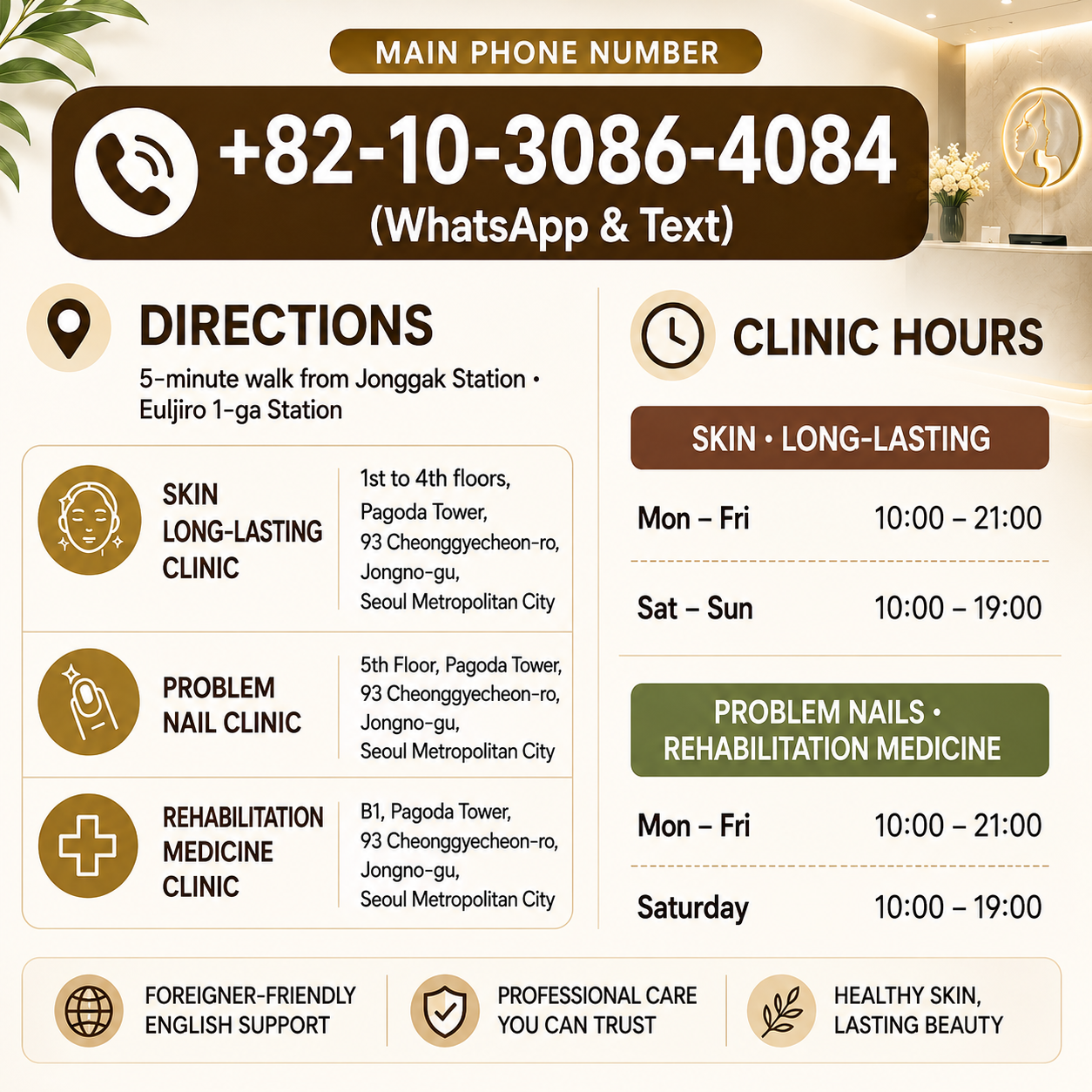
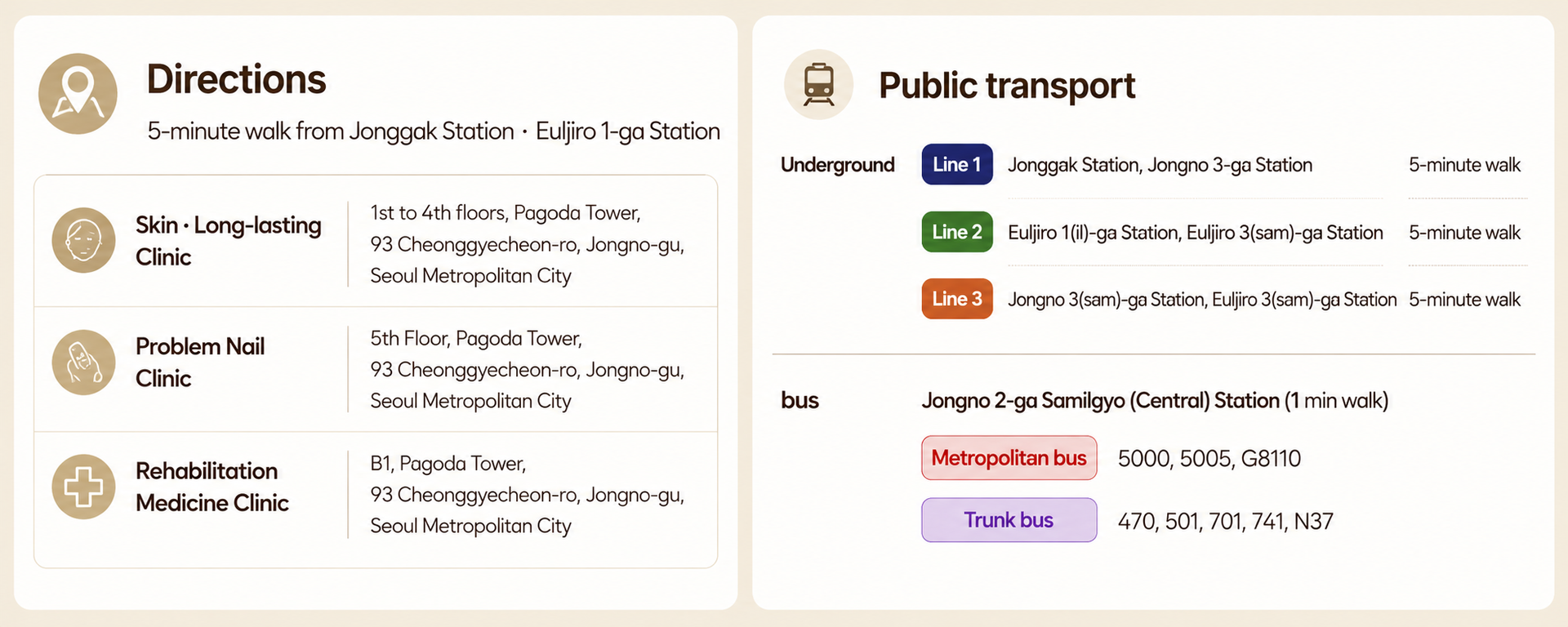
B1 to 5th Floor, Pagoda Tower
93 Cheonggyecheon-ro, Jongno-gu
Seoul, Korea
The clinic is conveniently located in central Seoul with easy access from Myeongdong, Jongno, and the Cheonggyecheon area.
Frequently Asked Questions
What are atrophic acne scars?
Atrophic acne scars are depressed scars caused by collagen loss after inflammatory acne. They are the most common type of acne scar and include ice-pick, boxcar, and rolling scars.
What is the best treatment for atrophic acne scars?
Treatment depends on the type and severity of the scars. Many patients benefit from a combination of fractional laser resurfacing, RF microneedling, subcision, collagen-stimulating treatments, skin boosters, and medical skincare.
Can atrophic acne scars be completely removed?
Complete removal is usually not possible because collagen loss is permanent. However, personalized treatment can significantly improve scar depth, skin texture, and overall skin appearance.
How many treatment sessions are required?
Most patients require several treatment sessions because collagen remodeling develops gradually over time. The exact number depends on the severity and type of scarring.
Are ice-pick, boxcar, and rolling scars all atrophic scars?
Yes. These are the three primary categories of atrophic acne scars, and many patients have a combination of all three types.
Can active acne be treated before scar treatment?
Yes. Active acne is usually controlled first or treated alongside scar management to reduce inflammation and help prevent new scar formation.
Can international visitors receive treatment?
Yes. International patients can receive personalized consultations and customized treatment plans based on the duration of their stay in Seoul.
Where is Myeongdong Obliv Seoul Origin located?
Myeongdong Obliv Seoul Origin is located from B1 to the 5th Floor of Pagoda Tower, 93 Cheonggyecheon-ro, Jongno-gu, Seoul, Korea.