Exosome Therapy for Acne Scars in Seoul, Korea |
Myeongdong Obliv Seoul Origin
Myeongdong Obliv Seoul Origin offers personalized exosome therapy for acne scars, skin regeneration, and collagen stimulation.
Depending on your skin condition, exosome therapy may be combined with RF microneedling, laser resurfacing, subcision, TCA CROSS,
and skin boosters to maximize acne scar improvement.
Exosome Therapy for Acne Scars in Seoul, Korea
Exosome therapy is an advanced regenerative treatment that supports the skin's natural repair process through powerful cell-signaling molecules. Exosomes contain growth factors, peptides, proteins, and bioactive molecules that help stimulate collagen production, improve skin healing, and enhance overall skin quality.
At Myeongdong Obliv Seoul Origin, every patient receives a comprehensive skin and acne scar assessment before treatment. Our medical team carefully evaluates your scar type, skin condition, and treatment goals to determine whether exosome therapy should be used alone or as part of a personalized combination treatment plan.
The goal is to improve acne scar remodeling, accelerate skin recovery, and promote healthier, smoother skin through natural regeneration.
What Is Exosome Therapy?
Exosomes are tiny extracellular vesicles that act as messengers between cells. They deliver biological signals that help support tissue repair, collagen production, and skin regeneration.
Exosome therapy may help improve:
- Mild to moderate acne scars
- Atrophic acne scars
- Uneven skin texture
- Enlarged pores
- Skin elasticity
- Overall skin quality
- Recovery after laser or microneedling treatments
Unlike fillers, exosomes do not add volume. Instead, they help optimize the skin's natural healing response.
Who Is a Good Candidate?
Exosome therapy may be suitable for patients with:
- Mild to moderate acne scars
- Skin damaged by acne
- Uneven skin texture
- Enlarged pores
- Dull or aging skin
- Patients undergoing combination acne scar treatment
Patients with deep rolling, boxcar, or ice pick scars generally benefit from combining exosome therapy with procedures such as subcision, TCA CROSS, or laser resurfacing.
A consultation helps determine whether exosome therapy is appropriate for your skin condition.
Personalized Exosome Therapy at Myeongdong Obliv Seoul Origin
Every treatment plan is customized according to:
- Acne scar type
- Scar severity
- Skin quality
- Existing pigmentation
- Previous treatments
- Healing response
- Recovery preferences
- Overall skin condition
Treatment may include:
- Exosome therapy
- RF microneedling
- Potenza
- Secret RF
- Fractional laser resurfacing
- Microneedling
- Subcision
- TCA CROSS
- Rejuran
- Juvelook
- PRP
- Skin boosters
- Combination therapy
Many patients achieve optimal results by combining regenerative therapies with collagen-stimulating procedures.
How Exosome Therapy Improves Acne Scars
Exosome therapy supports natural skin regeneration by encouraging communication between skin cells.
Potential benefits include:
- Enhanced collagen production
- Improved skin healing
- Better scar remodeling
- Increased skin elasticity
- Improved skin texture
- Faster recovery after procedures
- Healthier-looking skin
Results develop gradually as the skin repairs and remodels itself.
Why Combination Therapy Is Often Recommended
Exosome therapy improves skin regeneration but does not physically release scar tissue or remove deep acne scars.
Depending on your skin condition, treatment may be combined with:
- Subcision
- TCA CROSS
- Fractional laser resurfacing
- RF microneedling
- Potenza
- Secret RF
- Microneedling
- Rejuran
- Juvelook
- PRP
- Medical-grade skincare
Combination therapy often provides more comprehensive improvement because different procedures target different types of acne scars.
What to Expect During Treatment
Exosome therapy may be delivered after procedures that create controlled microchannels in the skin or through other physician-selected delivery methods.
During treatment:
- The skin is cleansed.
- The treatment plan is reviewed.
- Exosomes are applied or delivered using the selected technique.
- Aftercare instructions are provided.
Treatment time depends on the procedures performed.
Recovery After Exosome Therapy
Recovery is generally minimal.
Patients may experience:
- Temporary redness
- Mild swelling
- Mild skin sensitivity
- Temporary dryness
- Mild tenderness
Recovery may vary if exosome therapy is combined with laser resurfacing or RF microneedling.
Is Exosome Therapy Painful?
Exosome therapy is generally well tolerated.
Patients may experience:
- Mild warmth
- Temporary tingling
- Mild tenderness
- Temporary redness
Myeongdong Obliv Seoul Origin prioritizes patient comfort and carefully selects treatment techniques based on individual skin needs.
How Many Exosome Therapy Treatments Are Needed?
The number of treatments depends on:
- Acne scar severity
- Skin quality
- Treatment goals
- Combination procedures
- Individual healing response
Many patients benefit from a series of treatments to support ongoing collagen remodeling and skin regeneration.
Exosome Therapy for International Patients
International patients visiting Seoul can receive personalized consultations and treatment plans based on the duration of their stay.
Treatment may include:
- Exosome therapy
- RF microneedling
- Potenza
- Secret RF
- Fractional laser resurfacing
- Subcision
- TCA CROSS
- Rejuran
- Juvelook
- PRP
- Skin boosters
- Long-term skincare recommendations
Treatment schedules are customized to fit travel plans while allowing appropriate recovery.
Why Choose Myeongdong Obliv Seoul Origin?
Patients choose Myeongdong Obliv Seoul Origin for exosome therapy because of its personalized regenerative approach to acne scar treatment.
Potential benefits include:
- Individual skin assessment
- Customized treatment plans
- Advanced regenerative therapies
- Combination acne scar procedures
- Collagen-stimulating treatments
- Medical skincare support
- International patient services
- Convenient access from Myeongdong and Jongno
Clinic Location
Myeongdong Obliv Seoul Origin
Address:
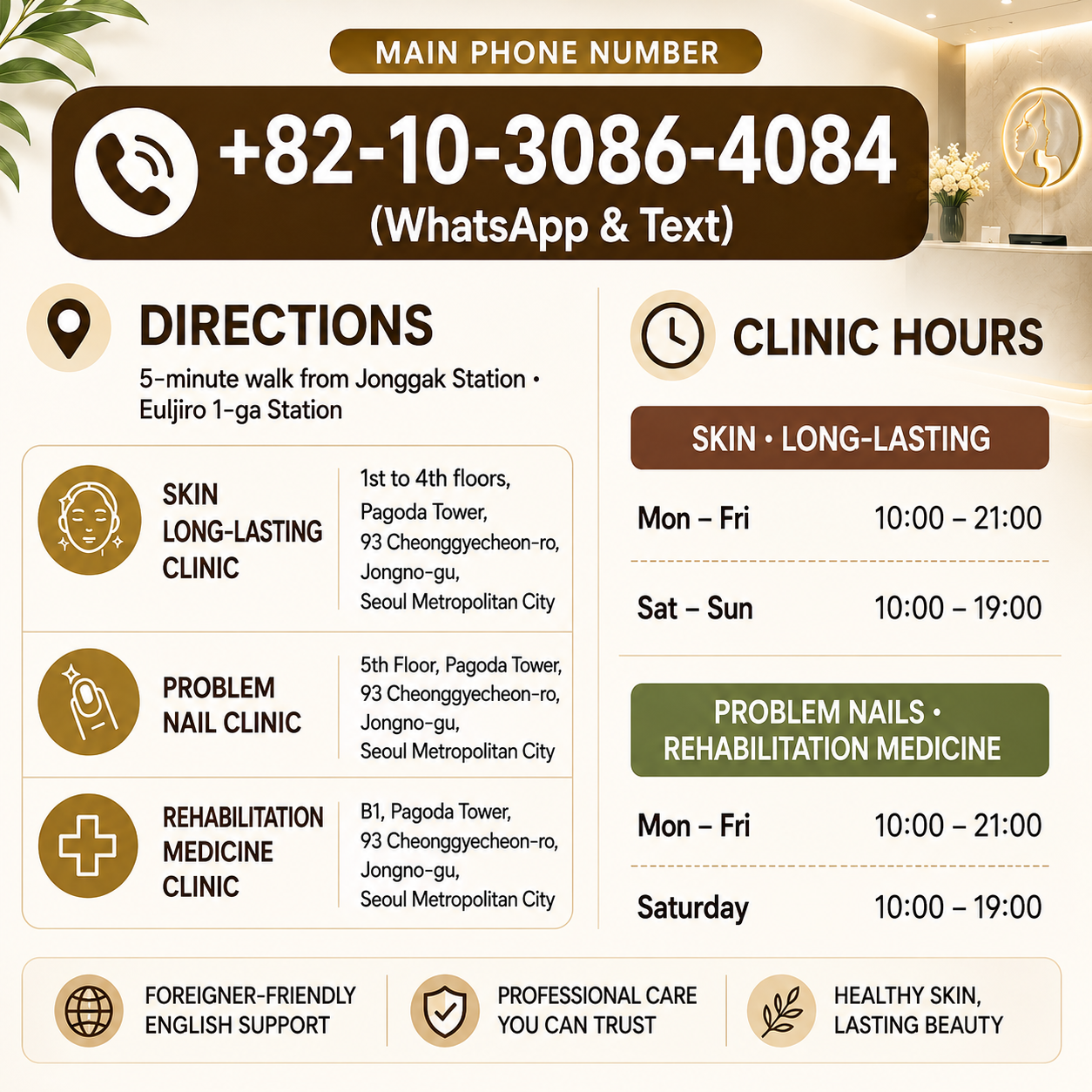
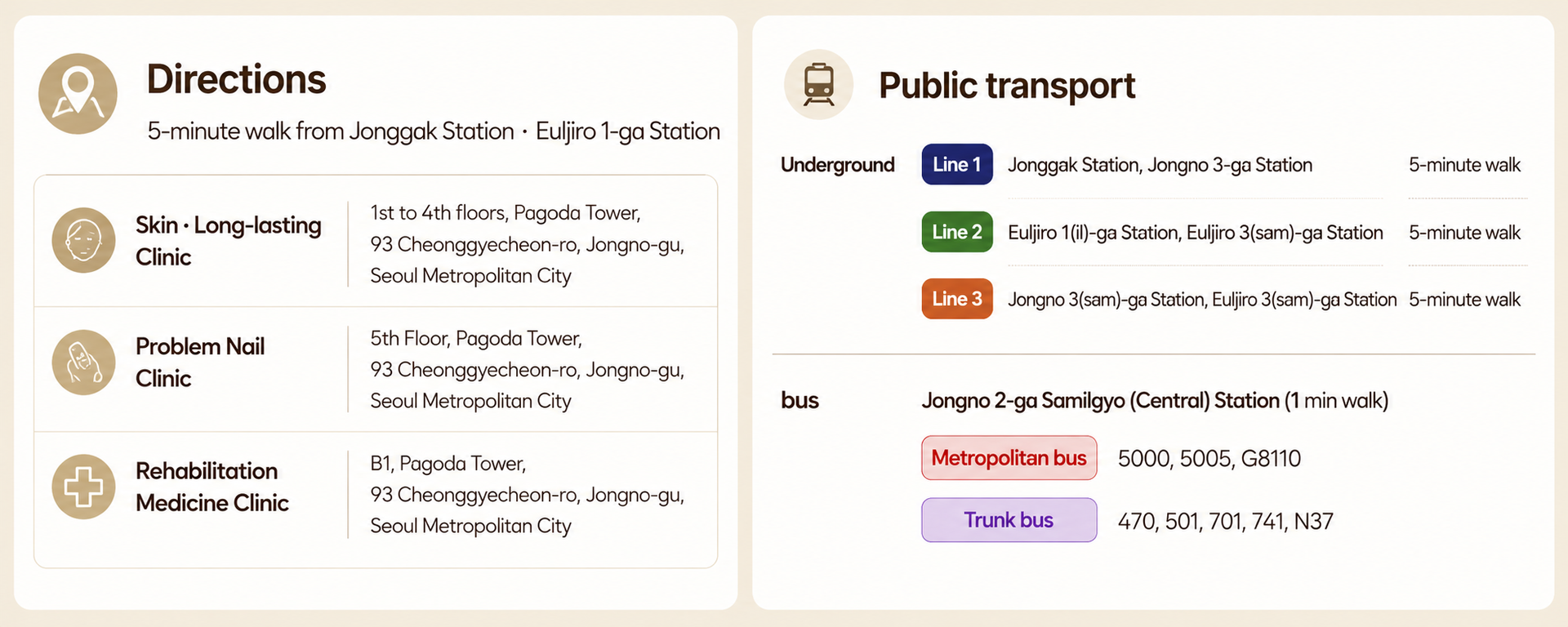
B1 to 5th Floor, Pagoda Tower
93 Cheonggyecheon-ro, Jongno-gu
Seoul, Korea
The clinic is conveniently located in central Seoul with easy access from Myeongdong, Jongno, and the Cheonggyecheon area.
Frequently Asked Questions
What is exosome therapy?
Exosome therapy is a regenerative skin treatment that uses cell-signaling molecules containing growth factors and bioactive proteins to support collagen production, tissue repair, and skin regeneration.
Does exosome therapy help acne scars?
Yes. Exosome therapy may improve mild to moderate acne scars by supporting collagen remodeling and skin healing. It is commonly used alongside procedures such as RF microneedling and laser resurfacing for enhanced results.
Which acne scars respond best to exosome therapy?
Exosome therapy is most suitable for mild to moderate atrophic acne scars, uneven skin texture, enlarged pores, and skin regeneration. Deep rolling, boxcar, and ice pick scars usually require combination therapy.
How many exosome therapy treatments will I need?
The number of sessions depends on your skin condition and treatment goals. Many patients benefit from a series of treatments performed several weeks apart.
Can exosome therapy be combined with other acne scar treatments?
Yes. Exosome therapy is commonly combined with RF microneedling, Potenza, Secret RF, fractional laser resurfacing, subcision, TCA CROSS, Rejuran, Juvelook, PRP, skin boosters, and medical skincare for comprehensive acne scar management.
Is there downtime after exosome therapy?
Downtime is generally minimal. Temporary redness, mild swelling, skin sensitivity, or tenderness may occur, particularly if combined with laser or microneedling procedures.
Can international visitors receive exosome therapy?
Yes. International patients can receive personalized consultations and customized treatment plans that fit their travel schedule and expected recovery period.
Where is Myeongdong Obliv Seoul Origin located?
Myeongdong Obliv Seoul Origin is located from B1 to the 5th Floor of Pagoda Tower, 93 Cheonggyecheon-ro, Jongno-gu, Seoul, Korea.